

Home Institution: University of Texas Rio Grande Valley
REU Faculty Advisor: Nate Mara
REU Mentor: Minh-Tam Hoang
Nanomechanical Characterization of Additively Manufactured 316H Steel via Nanoindentation
Structural materials in nuclear reactors must withstand years of exposure to extreme temperatures, radiation fluxes, and corrosive environments. Next-generation reactor designs require alloys where performance in such environments must be reliable. Elevated-temperature creep testing, to determine alloy lifetime to failure, can take a few hours to years to complete over relevant temperatures and stresses. The focus of this project is to quickly determine creep performance in additively manufactured (AM) reactor steels using high throughput nanoindentation to supply most of the data required to predict creep lifetime to rupture. These new test protocols enable rapid development of high-temperature AM materials though an understanding of their microstructure-property relationships in less time than for bulk tensile creep testing. AM reactor steels such as 316H austenitic stainless are characterized by nanoindentation to determine hardness and elastic modulus under varying temperatures and strain rates. Electron backscatter diffraction (EBSD) maps are used to determine the microstructure of the AM reactor steels before and after creep. Our initial results on AM materials reveal a heterogeneous microstructure where nanoindentation can be used to understand the local mechanical properties across microstructural gradients in grain size/morphology and composition.

Home Institution: Texas Tech University
REU Faculty Advisor: Ben Hackel
REU Mentor: Hannah Lembke, Anna Steele
Characterization of TROP2 Affibodies for Therapeutic Use
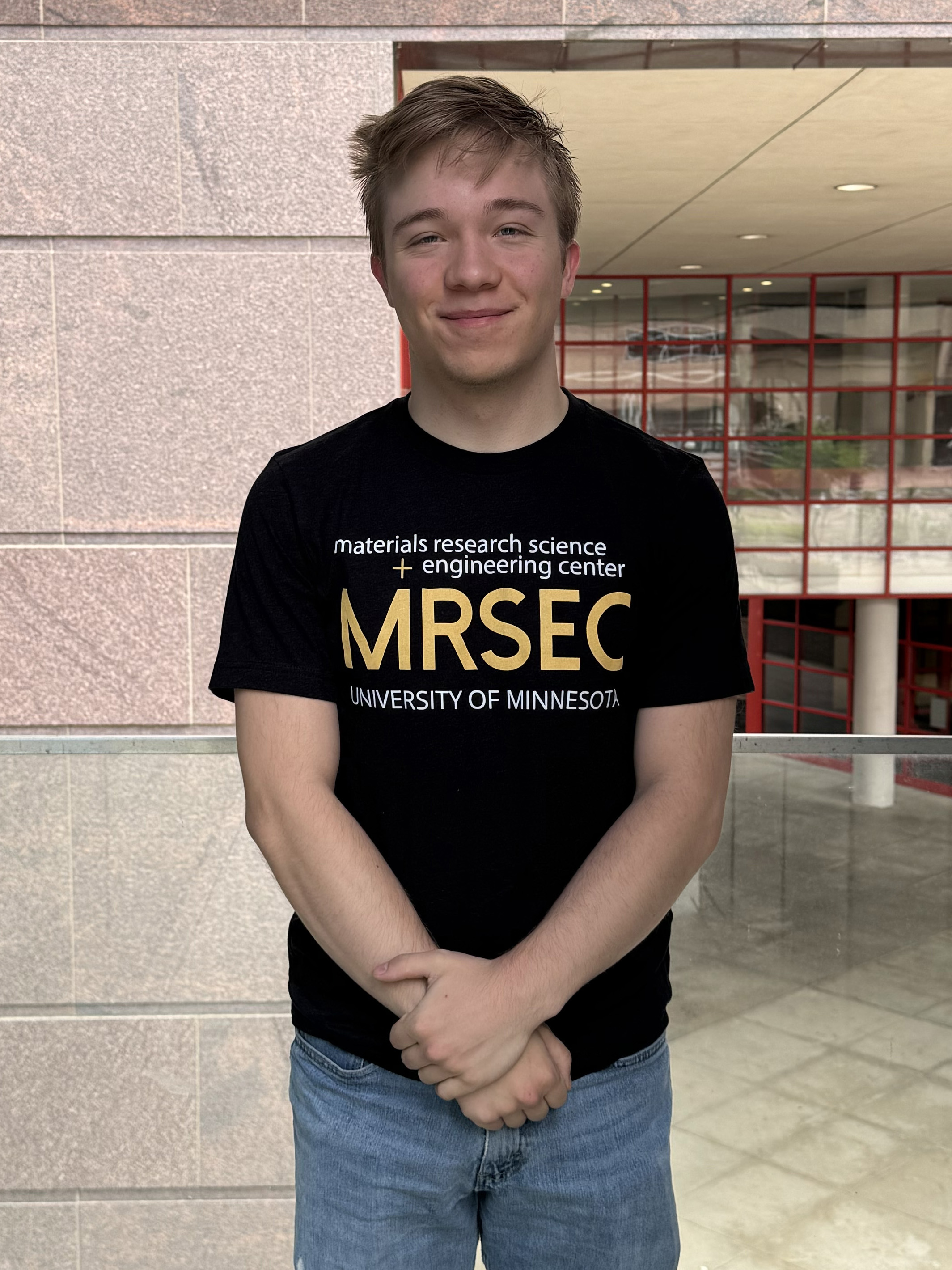
Molecular targeted therapeutics have empowered cancer treatment by targeting cell surface receptors that appear in excess on tumor cells. Trophoblast antigen 2 (TROP2) is one such receptor, with overexpression in pancreatic, colorectal, lung, breast, and other cancers. Stable, modular miniproteins, such as the affibody, provide an effective means of selective binding and tumor targeting. Previously, a population of TROP2 binding affibody proteins have been engineered. Initial leads were intentionally chosen with mid-nM affinity (Kd from 45 - 440 nM) to enable expression-dependent binding. Subsequent enrichment of the strongest-binding and most stable variants resulted in six variants identified from a stochastic sampling. This study’s aim was to characterize the affinity and stability of these variants to identify whether they could be sufficient or further evolved for improved targeting of TROP2. Four variants were produced in E. coli and evaluated by sodium dodecyl sulfate-polyacrylamide gel electrophoresis (SDS-PAGE). All variants were evaluated via Sanger sequencing. Two compelling variants were identified, including one that was effectively purified from E. coli. The other variant will be expressed as well, and yields will be compared to the desired goal of > 5 mg/L.
Home Institution: Iowa State University
REU Faculty Advisor: Mahesh Mahanthappa
REU Mentor: Mason Kozody
Polymerizable Lyotropic Liquid Crystal Membranes for Ionic Selective Separation of Lithium
Increased demand for the critical element lithium has shifted the focus towards the use of direct lithium extraction methods. Herein, we present the use of a polymerizable bioderived surfactant to synthesize an ion-selective membrane as a scalable solution for the recovery of lithium from continental brines. Surfactant molecules, upon the addition of water, will self-assemble into complex assemblies known as lyotropic liquid crystals(LLCs). These LLCs adopt conformations with configured ion-selective channels and tunable pore sizes. The conjugated triene α-Eleostearic acid, a natural product derived from tung oil, was recovered and isolated through saponification and recrystallization, thereby removing uncertainties in phase formation and polymerization behaviour. Surfactants were formed directly by displacing hydrogen with several different cations. These surfactant systems were hydrated to form LLCs, which were characterized with small-angle X-ray scattering(SAXS) and polarized optical microscopy(POM), predominantly forming hexagonally packed cylinders. After LLC formation, multiple unsaturations present in amphiphilic α-Eleostearic acid allow for polymerization to stabilize the desired phase into a mechanically robust matrix, which is often desirable for the integrity of membranes. Polymerization was attempted using UV photo-initiators to induce radical polymerization. Further work will involve characterization of the polymerized membrane, mechanical properties, permeability, and ion-selective properties.

Home Institution: Kenyon College
REU Faculty Advisor:Kade Head-Marsden
REU Mentor: Timothy Krogmeier
Low temperature molecular spin decoherence dynamics via Lindblad master equation method
Molecular spin systems are an emerging class of qubits with high synthetic tunability and potential for room temperature function. As a starting point for theoretical and experimental development, it is important to understand the dynamics in these systems at low temperatures. Specifically, the transverse relaxation rate (T2) due to electronic-nuclear spin interactions in the local magnetic environment strongly determines the rate of decoherence at low temperatures. Previous work modeled low temperature decoherence by combining an open quantum system model with electronic structure calculations. In this method, the Gorini-Kossakowski-Sudarshan-Lindblad (GKSL) master equation for the nuclear spin flip-flop mechanism is augmented with explicit ab initio electronic structure information, namely by including the hyperfine energy differences in nuclei across an ensemble of molecular configurations in the decay constant of the GKSL equation. This model was successful in predicting experimental trends in two kinds of paramagnetic molecular spin systems: vanadium-oxo and copper-ligand molecules. In this project, the previous vanadium-oxo molecules were modeled with two solvents using a conductor-like polarizable continuum model (CPCM), revealing greater coherence with increasing polarity of solvent. Additionally, four new vanadium molecules were modeled in two different solvents.

Home Institution:St. Olaf College
REU Faculty Advisor: Michelle Calabrese
REU Mentor: Charles T. Knisely
Examining the effects of small molecules and polymers on the mechanical properties of poloxamer hydrogels for drug delivery
Treatment of acute otitis media (middle ear infection) remains difficult because of treatment non-compliance and increased prevalence of antibiotic resistance due to systemic delivery. Thus, a single-dose, local treatment is preferred, and made possible with the FDA-approved aqueous poloxamer 407 (P407). P407 is a triblock copolymer consisting of a poly(propylene oxide) (PPO) midblock and poly(ethylene oxide) (PEO) endblocks, which undergoes thermoresponsive micellization and gelation at certain concentrations. However, the impermeability of the tympanic membrane (TM; ear drum) renders direct treatment difficult, but can be overcome by the addition of various chemical permeation enhancers (CPEs) which facilitate diffusion of the antibiotic ciprofloxacin through the TM. Unfortunately, these small molecules often affect properties such as gelation temperature (Tgel), micellization temperature (Tmic), stiffness, and formulation stability. To effectively deliver ciprofloxacin, the formulation must form a sufficiently stiff gel by physiological temperature. To achieve an ideal Tgel, certain reverse poloxamers (RPs)—which have PEO midblocks, and PPO endblocks— were added to modify micellization and gelation. Rheology, differential scanning calorimetry, and small-angle x-ray scattering demonstrate that each CPE studied decreases Tgel of these systems, bringing it further from body temperature. Conversely, the RP 17R4 can be used to bring Tgel back up, and forces a two-step process in the ordering of the systems, lengthening the gelation. With this information, the mechanical properties of these hydrogels can be tuned to achieve gelation at body temperature, ultimately resulting in better drug delivery in ear infection treatment.

Home Institution:The University of Texas at Rio Grande Valleyy
REU Faculty Advisor: Michelle Calabrese
REU Mentor: Krista Hauseman
Effect of weak magnetic fields on micelle formation of poloxamers
Poloxamers are triblock copolymers composed of a hydrophobic midblock (polypropylene oxide, PPO) and two hydrophilic endblocks (polyethylene oxide, PEO). Their amphiphilic nature enables them to form micelles—nanoscale structures with hydrophobic cores and hydrophilic coronas—when above critical micelle concentration (CMC) and temperature (CMT). When exposed to low-strength magnetic fields, poloxamer solutions micellize and self-assemble into ordered soft solids, though the mechanism remains unclear. One hypothesis suggests magnetic fields alter water’s hydrogen bonding, reducing PPO solubility and promoting micellization. To explore hydrogen bonding effects, poloxamer solutions were prepared in solvents with different hydrogen bond strengths—H₂O and deuterium oxide (D₂O)—and subjected to magnetic fields. The resulting soft solids’ modulus and structure were analyzed using small amplitude oscillatory rheology (SAOS) and small-angle X-ray scattering (SAXS). Solutions with D₂O, which has stronger hydrogen bonds than H₂O by 0.2–0.3 kcal/mol, exhibited faster magnetic field-driven phase transitions but similar micelle sizes and structures. These findings indicate solvent hydrogen bonding influences magnetic field-induced ordering, though breaking hydrogen bonds may not be the sole mechanism. This study highlights the potential of magnetic fields to control block copolymer assembly, relevant for membranes, photonics, and biomedical materials.

Home Institution: University of Texas Rio Grande Valley
REU Faculty Advisor: Tim Lodge
REU Mentor: Evan Danielson
Core-crosslinking of block copolymer micelles
Diblock copolymers, consisting of two chemically distinct blocks joined by a covalent bond, can self-assemble into micelles in a block-selective solvent. At high concentrations, these micelles organize onto a lattice that disorders at the order-disorder transition temperature (TODT). Near this transition, micelle size redistributes and free chains emerge due to chain exchange. This study aims to determine whether chain exchange influences TODT.
To investigate this, a poly(styrene)-b-poly(ethylene-alt-propylene) (PS-PEP) diblock copolymer was synthesized using RAFT polymerization from a PEP macro-RAFT agent. The PS block contains coumarin moieties that can form crosslinks within PS-core micelles, thereby inhibiting chain exchange. Solutions of PS-PEP in squalane (30 wt%) were annealed at 120 °C. Small-angle X-ray scattering (SAXS) confirmed spherical micelles with core radii of ~58 Å and low polydispersity (σ ~9.6–9.7 Å), indicating uniform structure. The copolymer's narrow molecular weight distribution (Đ = 1.01) supports consistent micelle formation.
Results will be compared to an identical system with crosslinked micelle cores, which cannot change size or release chains. This comparison will help clarify the role of chain exchange in ordering transitions, improving our understanding of dynamic behaviors in block copolymer solutions

Home Institution: University of Chicago
REU Faculty Advisor: Chris Bartel
REU Mentor: Armand Lannerd
Computational Design of Metal Oxides: Machine Learning-Accelerated Oxygen Diffusivity Predictions
The growth of cloud computing and AI has driven a surge in energy demand, prompting the search for energy-efficient computing technologies. Electric field control of metal oxides has shown some promise in meeting this challenge. In electrolyte-gated devices, metal oxides may respond to an electrical bias electrostatically or electrochemically. The latter is of particular interest as it drives the formation and annihilation of oxygen vacancies to control material properties. The ability of oxygen to move through these metal oxides—its diffusivity—is critical to enabling the electrochemical mechanism and is the primary focus of this project.
Oxygen diffusivity can be extracted from ab initio molecular dynamics calculations, which simulate atomic motion from first principles. However, these calculations are computationally expensive, limiting simulation timescales and thereby diminishing the ability to capture diffusion events. Universal machine learning interatomic potentials (uMLIPs) offer a solution to this problem. These are graph neural networks trained to reproduce first-principles results at a fraction of the cost, enabling accurate longer-timescale MD simulations.
In this project, we implemented and assessed the performance of uMLIPs for predicting oxygen diffusivity of metal oxides. We first reproduced established first-principles results for the cubic perovskite oxygen conductor, Na0.5Bi0.5Ti0.96Mg0.04O2.96, using uMLIPs.

Home Institution: Macalester College
REU Faculty Advisor: Boya Xiong
REU Mentor: Ji Qin
Investigation into the synthesis and characterization of periodate-oxidized cellulose nanomaterials for advanced self-assembling hydrogels and antibacterial coatings
Cellulose, the most abundant natural polymer, is an ideal sustainable alternative to petroleum- based materials due to its excellent mechanical properties and renewability. However, traditional cellulose nanocrystals (CNCs) suffer from aggregation, instability, and lack intrinsic antibacterial capabilities. Sterically stabilized nanocrystalline cellulose (SNCC)—comprised of crystalline cellulose cores flanked by amorphous chains—overcomes these limitations through enhanced dispersion stability via steric hindrance, intrinsic antibacterial activity (via covalent cross-linking with bacterial membrane proteins), and self-assembly properties (via hemiacetal bonding). These attributes make SNCC promising for applications in self-assembling hydrogels and antibacterial coatings. Dialdehyde-modified cellulose (DAMC), an amorphous and soluble byproduct generated during cellulose oxidation, provides a unique mechanism to modulate the amorphous-to-crystalline ratio in SNCC-based materials, optimizing hydrogel elasticity and coating flexibility. However, our understanding of how the SNCC/DAMC synthesis process, including product separation and the effects of oxidation time and heating time, influences sample purity, aldehyde content, particle size distribution, and crystallinity remains incomplete. This summer, we have investigated the SNCC/DAMC separation process as well as the effects of varying oxidation durations (42, 72, and 144 hours) and heating periods (1, 2, and 6 hours) during SNCC synthesis, generating nine distinct SNCC/DAMC variants. Analytical methods including FTIR (chemical functional

Home Institution: Brown University
REU Faculty Advisor: Jiarong Hong
REU Mentor: Yue Weng
Imaging-based 3-D particle tracking system for characterization of firebrand particle dynamics
The spotting phenomenon, involving firebrand generation, transport, deposition, and reignition, is a major component of wildfire spread. Previous work has been done to explore firebrand transport and generation using experimental and numerical methods, though to our knowledge, this is the first field investigation of firebrand kinematics using 3-D Lagrangian particle tracking. Our study focuses on characterizing 3-D firebrand kinematics with the goal of improving the accuracy of firebrand transport models and gaining new insights into inertial particle dynamics in atmospheric flows. We use a 3-D particle tracking velocimetry system to capture trajectories from firebrands generated in an outdoor bonfire under weak atmospheric conditions. This study aims to uncover the underlying physics of firebrand dispersion and offer practical guidelines for wildfire prevention.

Home Institution: University of Puerto Rico at Humacao
REU Faculty Advisor: Chun Wang
REU Mentor: Sandra Shahriar
Characterization of Polymer Degradation for Controlled Peptide Release in Melanoma Vaccine Development
Despite advances in immunotherapy, treatment options for metastatic melanoma remain limited. A promising strategy involves targeting the BRAF V600E mutation, found in approximately 50% of melanoma cases. This mutation produces a tumor-specific peptide that can be used to develop a vaccine that stimulate the immune respond with novel injectable liquid polymer called CAP-O1. CAP-O1 consists of polycaprolactone (PCL) units linked by hydrolytically labile ortho-ester bonds, which degrade in the presence of water. Once injected, the polymer is expected to gradually release the peptide, promoting a sustained immune response—particularly CD8⁺ T cell activation. We investigated the degradation of CAP-O1 under physiologically relevant conditions using Nuclear Magnetic Resonance (NMR) spectroscopy. Our results show complete monomer degradation in about two weeks at pH 5 and within two days at pH 3, indicating faster degradation in acidic environments. Slower degradation is anticipated at pH 7. CAP-O1 was also compared to a structurally similar polymer, CAP-OB1, which contains a propyl substitution at the ortho-ester bond. Due to its increased hydrophobicity, we hypothesize that CAP-OB1 will degrade more slowly under the same conditions. This comparative study supports the selection of optimized polymer systems for controlled peptide release, potentially improving the efficacy of melanoma vaccines.

Home Institution: University of Texas Rio Grande Valley
REU Faculty Advisor: Andre Mkhoyan
REU Mentor: Rishi Raj
TEM study of DNA Decorated Noble Metal Nanoparticle Using Python-based Software for Quantitative Analysis
Transmission Electron Microscopy-based imaging is a crucial method of specimen characterization due to its capability to study materials at the atomic-scale using a high energy electron beam . This project focuses on the computational analysis of DNA decorated noble metal nanoparticle (NP) TEM images acquired under phase and Z-contrast conditions. Processing these TEM micrographs will allow for a better understanding of the morphological and structural properties of these NPs. Utilizing the digital processing software SimpliPyTEM, quantitative data such as particle size, particle density, and spatial distribution can be extracted. By employing scripting tools and automation, analyzing TEM images becomes more accurate and consistent when compared to manual methods. The findings from this project aim to support broader biomedical applications, in which precise control and understanding of particle size is crucial. Applications such as enhanced drug delivery, fluorescence bioimaging, increased detection and control of biomedical activity, could all be improved by manipulating the particle morphology of these systems. Furthermore, this project also serves to highlight the growing role of computational tools in materials characterization. Emphasizing the importance of open-source platforms and scripting in nanomaterial analysis, exhibiting interdisciplinary application of computational processing in advanced nanoscale research.

Home Institution: Stony Brook University
REU Faculty Advisor: Samira Azarin
REU Mentor: Senjuti Karmaker
Iron Oxide Encapsulation in Liposomes for Targeted Hyperthermia
Ovarian cancer remains the most fatal gynecological cancer due to late detection and subsequent metastasis. Magnetic hyperthermia, which uses heating by a magnetic field to trigger cancer cell apoptosis, has emerged as an alternate therapeutic modality to traditional treatment. Magnetoliposomes, lipid-based particles loaded with magnetic nanoparticles, are being developed for this noninvasive, thermal therapy. Our research advances these developments by loading iron oxide nanoparticles (IONP) into liposomes capable of generating heat with magnetic hyperthermia to treat ovarian cancer. We implemented two commonly practiced methods of liposome synthesis to evaluate their efficiency at encapsulating IONPs: thin film hydration and freeze-thaw methods. While both methods averaged optimal liposome diameters of 76.9 ∓ 0.123 nm, the freeze-thaw method encapsulated a higher concentration of IONPs, which is advantageous. We explored centrifugation parameters to remove free IONPs, resulting in stable magnetoliposome sizes of 71.2 ∓ 1.03 nm. To test heating efficacy, magnetoliposomes were subjected to an alternating magnetic field, and we observed a temperature increase of 1.1 ℃ in 60 seconds, indicating further optimization is needed. Overall, this work demonstrates our capacity to load IONPs into liposomes, which can potentially generate sufficient heat for tumor-killing as a promising noninvasive treatment for other hard-to-cure cancers.

Home Institution: Universidad Ana G. Méndez - Cupey Campus
REU Faculty Advisor: Kelsey Stoerzinger
REU Mentor: Mohan Aditya Sabbineni
Understanding and Manipulating the Electrical Double Layer in Electrocatalysiss
Electrocatalysis is central to sustainable energy technologies, enabling key interfacial redox reactions that drive clean energy conversion and storage systems. The performance of electrocatalysts is critically governed by the electrode–electrolyte interface, where charge transfer, reactant adsorption, and interfacial dynamics collectively determine reaction rates and selectivity. A promising approach to enhance catalytic performance without altering the underlying atomic structure is through precise modulation of the electrical double layer (EDL). By tuning the chemical and electronic properties of this interfacial region, one can systematically control surface electronic states and adsorption characteristics, thereby influencing reaction kinetics and product selectivity.This study explores interfacial tuning strategies through the functionalization of platinum (Pt) and gold (Au) surfaces using a novel class of organic ligands known as N-heterocyclic carbenes (NHCs). These ligands can modulate the local electronic environment of active sites and reorganize the interfacial water structure within the EDL, both of which are expected to impact electrocatalytic behavior. The influence of NHCs at varying surface coverages on the hydrogen evolution reaction (HER) will be systematically investigated using cyclic voltammetry (CV). Enhanced current responses at a given overpotential in a three-electrode configuration will serve as indicators of improved catalytic kinetics.

Home Institution: University of Puerto Rico at Humacao
REU Faculty Advisor: Theresa Reineke
REU Mentor: Sidharth Panda, Janey Sowada
Cationic Polymerization for mRNA Delivery
Genetic diseases arise from impaired protein production of cells. This makes mRNA, a precursor to proteins, a promising novel therapeutic tool for treating genetic disorders. However, mRNA's instability makes it susceptible to degradation and requires protective delivery systems. Cationic polymer-based carriers offer flexibility due to their modifiable structures, but while previous studies have optimized these for pDNA, siRNA, or Cas9 delivery, mRNA delivery remains less explored. This research aims to address that gap through the combinatorial synthesis of two polymer libraries that self-assemble into diblock and triblock micelles. Each library will feature amphiphilic polymers with varied cationic side chains differing in three key physical aspects: (1) bulkiness, (2) pKa, and (3) hydrophilicity. These polymers will be tested to examine their ability to deliver mRNA in vitro, alongside assessments of cellular uptake and mRNA release. The findings will provide insights into how polymer structure influences delivery efficiency, guiding the design of more effective mRNA vectors for the future. The study will also explore polymersomes, vesicle-like carriers capable of shielding mRNA from degradation, offering further advancement in mRNA-based therapies and the development of next-generation delivery systems.

Home Institution: The University of Texas Rio Grande Valley
REU Faculty Advisor: Andreas Stein
REU Mentor: Maria Komal, Vivek James
Ion-Selective Electrodes for Portable, Instant, and Continuous pH Measurements
Ion sensing offers invaluable insight into electrolyte and pH levels, which can inform paramedics’ decisions when treating serious trauma victims. Current technology is time-consuming, requires training, and does not provide the continuous measurements necessary to save lives immediately after an accident. This project focuses on miniaturizing ion sensing techniques for wearable patches using a supporting polymer membrane, microneedles, ion-selective membranes (ISMs) that employ ionophores and ionic sites, and a solid-contact layer of porous carbon for accurate, continuous measurements of ions. An electrode and reference electrode system is necessary for the first portion of this experiment, which requires synthesis of the carbon inks and ISMs to coat microneedles which are then embedded in a mechanically robust polymer membrane. Proper sealing of the polymer membranes and the coated microneedles is necessary to avoid a water layer formation on the needle surface. The second phase targets potentiometric testing of the electrodes for various analytes including pH, potassium 〖(K〗^+), and calcium (〖Ca〗^(2+)). Early results demonstrate high accuracy and low potential drift with respect to time when testing the pH sensor against a conventional pH electrode. Tests have shown delamination of microneedle coatings, so mechanical properties need optimization to prevent water layer formation on the solid contact which has caused inconsistent measurements in the past. With these findings, future objectives include improving mechanical stability of coatings, minimizing potential drift to mitigate the need for frequent probe conditioning, developing a water layer test, and refining ion selectivity of the ISMs to prevent interference from secondary electrolytes.

Home Institution: Harvey Mudd College
REU Faculty Advisor: Vivian Ferry
REU Mentor: Yidenekachew Donie
Metal-based Flexible Optical Metamaterials: Fabrication and Mechanical Testing
Optical metamaterials, composed of patterned arrays of sub-wavelength structures, are an emerging technology allowing for the precise control of light. In particular, flexible metamaterials are of interest in healthcare for their potential use in wearable medical technology. Implementation of metamaterial-based technologies requires efficient mass production methods and metamaterials that maintain their efficacy under continued use. Many current metamaterial production methods are subtractive, leading to substantial material waste. Previous work has established an additive method using nanoimprint lithography to produce arrays of wells and ink dragging to selectively deposit functional material within these wells. Successful selective deposition of any ink relies on its distinct rheological properties. To create inks for the selective deposition of chiral gold nanoparticles, we assessed a number of binary solvent compositions, including isopropanol, ethanol, methanol, and acetone mixed with water. Of the solvents tested, a 5:1 ethanol/water composition produced the largest areas of consistent selective deposition. Once produced, flexible metamaterials must maintain performance over many bending cycles to be reliable. To evaluate this, we monitored the reflectance spectra of silver-based optical metamaterials over 10,000 bending cycles. No significant change in the optical response was observed, likely due to the support provided by the matrix surrounding the silver features. Our observations show that by tuning the rheological properties of the ink, a range of functional materials can be patterned into structures with reliable long-term optical performance. This demonstrates the potential of the additive patterning approach discussed here for efficiently producing durable metal-based optical metamaterials.

Home Institution: Normandale Community College
REU Faculty Advisor: Renee Frontiera
REU Mentor: Arghya Sarkar
Chiral Molecules under Surface Enhanced Raman Spectroscopy
Chiral nanoparticles influence biological processes such as taste perception and drug absorption, yet they return weak optical activity when detected by conventional Raman spectroscopy. In this study, gold nanoparticles were employed as plasmonic enhancers to amplify Raman optical activity, enabling more sensitive detection of chiral signatures. The nanoparticles were characterized using both circular dichroism (CD) spectroscopy and surface-enhanced Raman spectroscopy (SERS). The optical responses of left- and right-handed nanoparticles were analyzed to assess the relationship between handedness and chiroptical activity. Igor, a specialized software specializing in curves, was used to quantify and compare the CD and SERS spectra. These results contribute to a better understanding of chiral plasmonic metamaterials and the mechanism of far and near field response

Home Institution: Boise State University
REU Faculty Advisor: Ognjen Ilic
REU Mentor: Daniel Kindem, Yujie Luo
Modeling of a High Density Reconfigurable Photonic Metasurface
Tunable metasurfaces have the capacity to impact a variety of fields, whether it be through their implementation within holographic displays, beam steering, or optical sensing. Phase change materials (PCMs), which are materials that change their optical properties via applied voltage, can be implemented within metasurfaces to result in different reflectance spectra. Yet, there are limitations on the density of the unit cells that make up those metasurfaces, as thermal crosstalk limits the ability to reliably change the phase of the PCMs. Therefore, it is vital to develop a simulation model that can reliably demonstrate the efficacy of a new unit cell design, where a cavity is implemented to mitigate thermal cross talk. The objectives of this research are to first develop reflectance models within an electromagnetic solver, then develop a set of refractive indices via experimental characterization. UV-visible Spectroscopy and Fourier-transform infrared spectroscopy are the experimental means of characterization. Both methods are vital in providing refractive indices across a broader range of applied wavelengths. Finally, a COMSOL model will be developed to determine if the application of voltage pulses will reliably change the phase of both intended and adjacent GST structures. Due to the exploratory nature of this research, expected outcomes are to find a viable design that results in multiple reflectance spectra, and the controlled phase change of GST per unit cell.
School: White Bear Lake High School
REU Faculty Advisor: Chris Ellison, Vivian Ferry
REU Mentor: Emily McGuiness
Title: Emily McGuinness
In my experience as an educator, today’s students are deeply engaged with the challenges facing modern society,
especially climate change. Major contributors to carbon emissions, often called the "grand challenges", include how we
generate electricity, manufacture materials, transport people/goods, produce food, and manage temperature. Science
students are expected to understand complex systems and develop the problem-solving skills needed to address them. These
challenges provide a framework for that learning. To explore the challenge of staying cool, we are developing a student
experiment to investigate: “Instead of cooling entire buildings, can we cool ourselves using textiles designed for passive
daytime radiative cooling (PDRC)?” PDRC textiles, such as nanoporous polyethylene, are being researched for their ability to
passively lower body temperature. Potentially, students will examine how material color/texture affects absorption and
emissivity by creating polylactic acid (PLA) films from transparent 3D printer filament and adding porogens (coarse/fine salt,
coarse/fine sugar, and polyvinyl alcohol), which will later be removed. Students will then measure optical and thermal
properties using a Vernier light sensor and an infrared thermometer.
SMelrose Area High School
REU Faculty Advisor: Rene Boiteau
REU Mentor: Nicole Coffey, Anil Timilsina
Title: Why so Fe-w phytoplankton? A Storyline-Driven Oceanography Unit for High School Classrooms
The Southern Ocean is home to relatively few phytoplankton despite having high nitrate concentrations because
it is limited by iron availability. While this is a critical area of study as we seek solutions to climate change through carbon
sequestration, few curricular resources exist at the high school level to engage students in modern breakthroughs in
oceanography. In this comprehensive unit, students explore the ecological implications of iron fertilization, such as carbon
sequestration, population dynamics, and the cycling of matter, through inquiry-driven investigations of real-world
phenomena. Students follow protocol to conduct experiments discovering iron’s impact on Chlorella vulgaris population
growth and primary productivity, analyze global ocean data on nutrient and iron concentrations from the GEOTRACES
program to model nutrient cycling, and apply the Redfield Ratio to evaluate whether the Southern Ocean is capable of
sequestering the excess carbon dioxide produced from fossil fuel combustion each year. In doing this, students engage in
cutting-edge areas of study to critically evaluate real-world environmental engineering solutions to climate change while
mastering NGSS biology standards.
School: Eden Prairie High School
REU Faculty Advisor: Boya Xiong
REU Mentor: Sarah Ziemann
Title: Degradation of Plastics in a High School Classroom
Our work this summer was to create a curriculum about the degradation of plastics to bring to our high school
classrooms. This curriculum provides students with a hands-on opportunity to incorporate environmental science, chemistry,
and real-world consequences of plastic pollution. This lab engages students to test different degradation techniques such as
photoweathering, mechanical abrasion, and biochemical degradation. By analyzing the data, students will learn about the
chemical and physical properties of different types of plastics and how that can impact our environment. The lab involves
critical thinking, collaboration, environmental literacy, and scientific practices associated with the 2019 Minnesota Science
Standards. It also leads to the importance of sustainability and biodegradable plastic alternatives. Bringing this lab to the
classroom makes environmental chemistry relevant for our students and empowers them to become informed stewards of
our planet.
School: North Branch High School
REU Faculty Advisor: Boya Xiong
REU Mentor: Sarah Ziemann
Title: Degradation of Plastics in a High School Classroom
Our work this summer was to create a curriculum about the degradation of plastics to bring to our high school
classrooms. This curriculum provides students with a hands-on opportunity to incorporate environmental science, chemistry,
and real-world consequences of plastic pollution. This lab engages students to test different degradation techniques such as
photoweathering, mechanical abrasion, and biochemical degradation. By analyzing the data, students will learn about the
chemical and physical properties of different types of plastics and how that can impact our environment. The lab involves
critical thinking, collaboration, environmental literacy, and scientific practices associated with the 2019 Minnesota Science
Standards. It also leads to the importance of sustainability and biodegradable plastic alternatives. Bringing this lab to the
classroom makes environmental chemistry relevant for our students and empowers them to become informed stewards of
our planet.

Funded by the National Science Foundation through the University of Minnesota MRSEC under Award Number DMR-2011401
UMN MRSEC
137D Amundson Hall, 421 Washington Ave. SE, Minneapolis, MN, 55455
P: 612-626-0713 | F: 612-626-7805